Tehran aggressively pushes back against President Trump's premature announcement of a war settlement, refusing to bypass strategic red lines for a diplomatic photo-op ahead of the G7 summit.
 Sseema Giill
• What happened: Iran has strongly denied U.S. claims that a final peace agreement has been reached to end bilateral hostilities, dismissing widespread reports of an imminent signing ceremony in Geneva.
• Why it matters: President Donald Trump prematurely announced a "great settlement," prompting the deployment of U.S. aircraft to Switzerland, but Tehran called the reported terms a "U.S. wish list" and a "manufactured victory."
• The strategic play: Iran is publicly pushing back against Washington's pressure tactics ahead of the G7 summit, insisting that no deal will be signed until the U.S. respects Tehran's strategic red lines and unfreezes its billions in assets.
• The aftermath: The draft MoU remains under review by Iran's highest decision-making bodies, leaving the reopening of the Strait of Hormuz and broader regional stability hanging in the balance.
Iran has forcefully pushed back against U.S. claims that an agreement to end hostilities has been finalized, dismissing reports of an impending signing ceremony in Geneva. On Friday, June 12, 2026, Iranian officials and state media aggressively rejected assertions made by U.S. President Donald Trump, characterizing Washington's narrative as a "manufactured victory" based entirely on a "wish list rather than reality" 1.1.2.
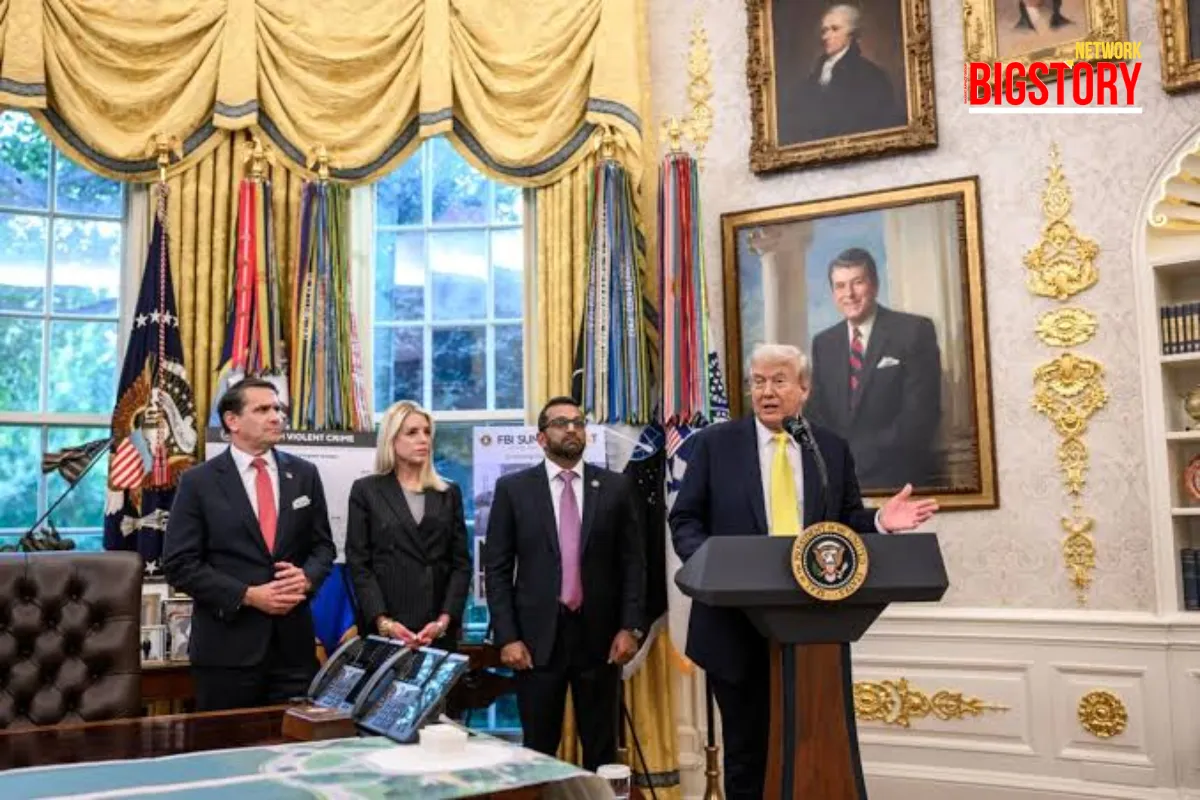
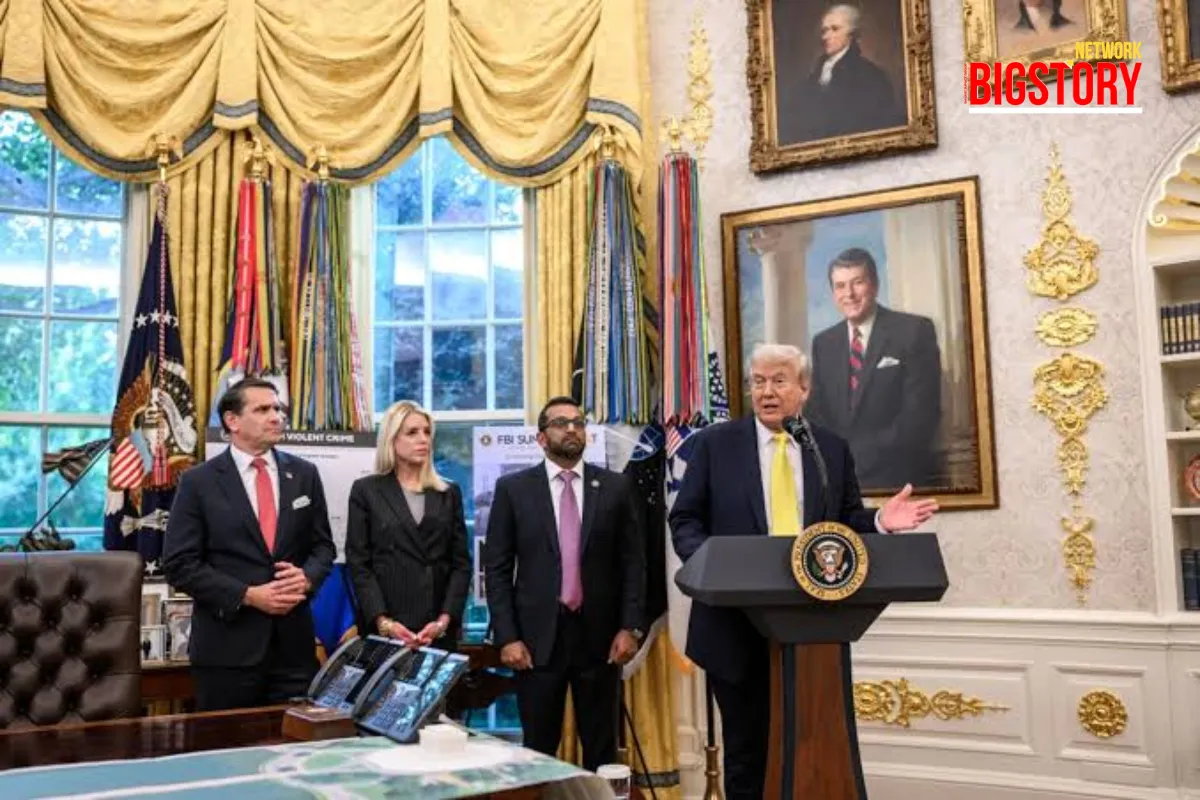
The diplomatic dispute erupted after President Trump announced from the Oval Office that the U.S. and Iran had reached a "great settlement of the war," suggesting a formal signing ceremony would take place in Europe within days 1.1.1.
Following the announcement, reports indicated that U.S. Air Force aircraft had already begun transporting equipment to Geneva in preparation for Vice President J.D. Vance to potentially attend the signing ceremony alongside the upcoming G7 meetings 1.1.4, 1.2.1.
Iranian media and political officials rapidly dismantled the U.S. narrative, emphasizing that no definitive agreement has been reached.
Ebrahim Rezaei, spokesperson for the Iranian parliament's national security committee, openly dismissed the reported terms as a U.S. wish list rather than reality 1.1.2. Simultaneously, the state-affiliated Fars News Agency labeled Trump's remarks a "mixture of truth and falsehood" aimed at projecting a manufactured victory for domestic consumption 1.1.2, 1.1.3.
Foreign Ministry spokesman Esmaeil Baqaei clarified the actual status of the negotiations. While he acknowledged that a draft understanding based on a "commitment for commitment" framework is currently under review, he explicitly stated that no final decision has been reached by Iran's highest authorities 1.1.4, 1.2.5. Baqaei urged the international public to treat details regarding specific signing locations and mechanisms as mere media speculation.
While Washington is eager to broadcast a diplomatic triumph involving the reopening of the Strait of Hormuz and new restrictions on Iran's nuclear program, the "Missed Angle" here is the fundamental disconnect over the actual terms of the unfinalized Memorandum of Understanding (MoU).
Tehran is digging in its heels on essential prerequisites. Iranian sources have leaked that the current draft does not oblige Iran to reopen the Strait of Hormuz without specific security arrangements and fee implementations, nor does it commit Tehran to destroying its nuclear materials 1.1.4, 1.2.5.
More importantly, Iran is reportedly demanding the immediate release of billions of dollars in frozen assets as a non-negotiable precondition to subsequent stages of negotiations 1.2.5. By prematurely announcing the deal, the U.S. administration appears to be attempting to force Tehran's hand ahead of the critical G7 summit 1.2.1. However, Iran is publicly signaling that it will not be pressured into bypassing its strategic "red lines" for the sake of a Washington photo-op.
• Ministry of Foreign Affairs (Iran): Official Diplomatic Statements, Press Briefings, and Negotiation Updates
• The White House: Presidential Statements, Oval Office Briefings, and Foreign Policy Directives
• Reuters: Global Diplomatic Correspondents, Middle East Conflict Trackers, and Geneva Summit News
• The Indian Express: Geopolitical Analysis Briefs, Global Security Desks, and Iran Policy Realignment Reports
 Exclusive Content





Sign up for the Daily newsletter to get your biggest stories, handpicked for you each day.



 Trending Now! in last 24hrs